

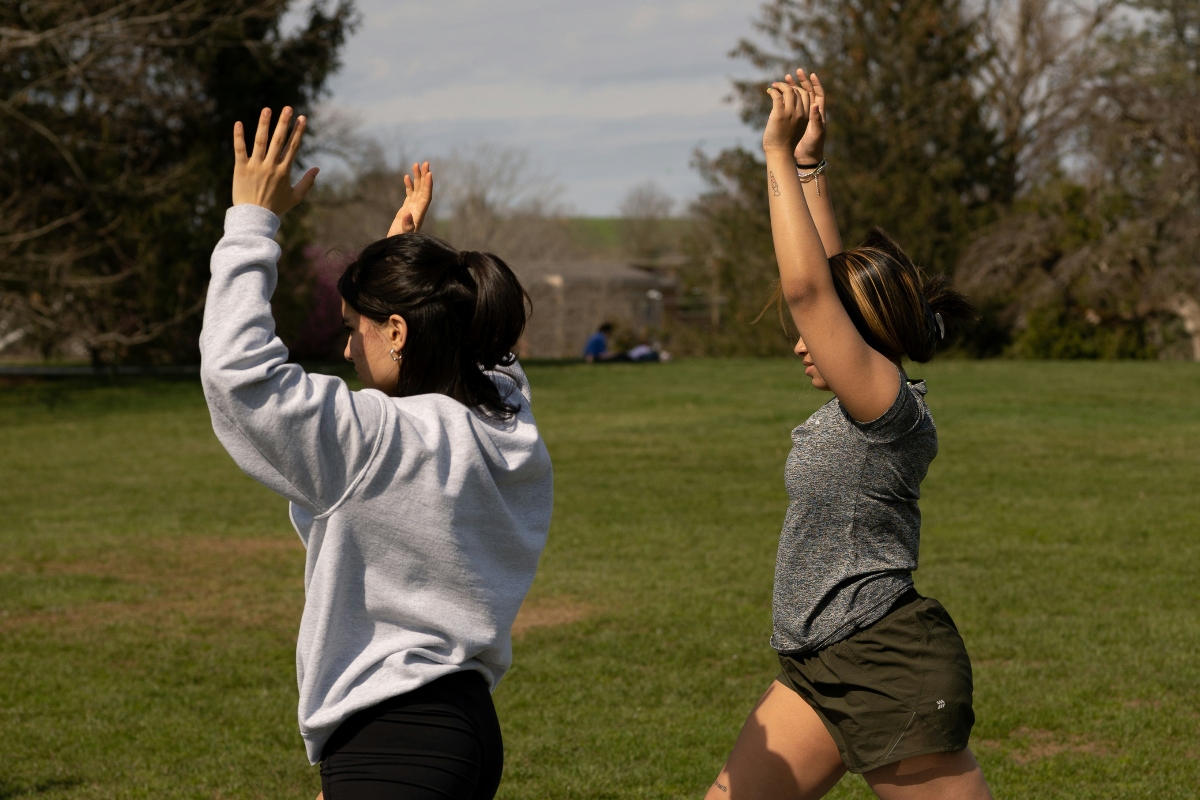
Training outdoors provides variety, challenge, and inspiration. Still, without the right precautions, injuries can interrupt progress and delay goals. Learning how to prevent injuries when training outdoors helps athletes, beginners, and fitness enthusiasts maximize performance while staying safe. From warming up properly to using expert guidance like a personal trainer UAE, preparation makes every outdoor workout more rewarding. A safe approach supports long-term fitness success, which is why paying attention to outdoor risks is so valuable. With the right knowledge and guidance, your outdoor sessions can be powerful and injury-free.

Warm-up routines for outdoor sessions
Outdoor training exposes muscles and joints to different surfaces and conditions. Before starting, a proper warm-up prepares the body for exertion. Five to ten minutes of dynamic stretching increases circulation, elevates body temperature, and improves joint mobility. Incorporating movements like lunges, squats, and arm swings reduces stiffness and enhances flexibility. Dynamic drills mirror actual workouts, making them more effective than static stretches at this stage.
For individuals recovering from setbacks, post injury fitness training can restore confidence. A structured program gradually rebuilds strength and prevents re-injury while still allowing outdoor activity. Specialists design routines that match current ability, offering support that self-guided exercise often lacks. Following these steps ensures outdoor sessions start safely, minimizing risk and creating a foundation for stronger progress.
Correct footwear and surface awareness
Footwear plays a decisive role in avoiding injuries during outdoor workouts. Shoes designed for specific activities offer cushioning, arch support, and shock absorption. Runners need stability on roads or trails, while cross-trainers suit high-intensity intervals on uneven surfaces. Worn-out soles increase the likelihood of strains, sprains, and falls.
Awareness of terrain is equally critical. Pavements, sand, grass, or gravel each demand different levels of balance and muscular effort. Ignoring surface variation may strain tendons or cause slips. Consulting the best fitness trainers in UAE ensures correct shoe selection and guidance on adapting to terrain. Trainers recommend surface-specific drills, teaching the body to handle changing conditions safely. A combination of proper gear and attention to the environment significantly reduces risks during outdoor exercise.

Hydration and weather adaptation
Dehydration and weather extremes heighten the chances of injury outdoors. Sweating in high temperatures accelerates fluid loss, affecting balance, endurance, and muscle function. On colder days, stiff muscles are more vulnerable to strains without gradual warm-ups. Hydrating before, during, and after training keeps joints lubricated and muscles responsive.
Monitoring local forecasts is not just practical but protective. Sudden heat waves, heavy rain, or strong winds can alter workout safety. Athletes must adjust intensity, shorten duration, or change locations to match conditions. Knowledge of heatstroke and hypothermia symptoms also safeguards against severe outcomes.
For more detailed insights, the National Institute of Health provides practical recommendations on hydration and environmental training risks. Being aware of these factors is part of mastering how to prevent injuries when training outdoors, supporting consistent and sustainable progress.
Strengthening muscles and maintaining balance
A body prepared for outdoor training has strong, stable muscles and balanced movement patterns. Strength exercises such as planks, squats, and resistance band workouts stabilize joints and prevent overload injuries. Balanced development of core, hips, and legs reduces risks from uneven ground or repetitive stress.
Strength also enhances endurance and efficiency, allowing longer sessions without fatigue. Regular conditioning sharpens coordination, helping athletes react quickly to uneven terrain. Plyometric drills, single-leg exercises, and agility ladders improve control, lowering accident risks during outdoor routines.
Consistency in training builds resilience, enabling the body to withstand impact, pressure, and repeated motion safely. Building mobility alongside strength further enhances safety outdoors. Dynamic stretches, controlled breathing, and mindful movement prepare muscles for sudden shifts in direction. Combining flexibility with power ensures the body adapts fluidly to every challenge.
Targeted training with professional guidance
Individualized guidance prevents overtraining and identifies weak areas before they cause harm. Working with a certified yoga instructor UAE improves flexibility, posture, and breathing techniques. These elements help athletes adapt to diverse outdoor settings while protecting muscles and ligaments.
Trainers often include balance drills and proprioceptive exercises to sharpen coordination. By strengthening supportive tissues, fitness enthusiasts enhance resilience against falls, sprains, and repetitive strain injuries.
Developing stability through progressive training prevents setbacks that interrupt schedules. With consistent practice, outdoor workouts remain challenging yet safe, offering physical gains without compromising joint health. Expert feedback also builds confidence, encourages discipline, and creates motivation to maintain long-term outdoor training success.
A tailored approach guided by professionals not only strengthens physical performance but also fosters mental resilience, allowing athletes to overcome obstacles and pursue consistent progress in diverse outdoor environments.

Recovery, rest, and ongoing assessment
Ignoring recovery often leads to injuries that could have been avoided. Muscles, tendons, and ligaments require time to repair after intense training. Scheduling rest days allows micro-tears in muscle fibers to heal, strengthening them over time. Sleep quality further impacts recovery, as growth hormones released during deep sleep restore tissues.
Athletes should also evaluate progress and body signals regularly. Joint stiffness, soreness lasting several days, or unusual fatigue signal the need for adjustment. Adjusting intensity early prevents minor issues from becoming major injuries. Seeking support from personal trainers ensures structured programming that balances activity with recovery. Trainers detect potential risks before they escalate, keeping outdoor routines so effective.
Get Ready for the Injury-Free Outdoor Training
Following the right strategies transforms outdoor exercise into a safe and empowering experience. From warming up and choosing proper footwear to hydrating and building strength, each step minimizes risks. Applying these strategies demonstrates mastery of how to prevent injuries when training outdoors and promotes consistent performance gains. Outdoor sessions become enjoyable, sustainable, and supportive of lifelong fitness ambitions. Approach every workout prepared, adapt to conditions, and value recovery. With commitment to safety and awareness, outdoor training offers endless rewards without setbacks. Stay focused, take action, and build resilience through careful preparation.
